
Social media analytics means companies collect, measure, and study audience info from social networks so they can make good business choices. Because social media is how people find, think about, and talk to brands, knowing how to read social data is really important for marketing and business teams now.
It’s not just about counting likes or shares either. Social media analytics looks closer to figure out what people do online, how well content is doing, what people think of a brand, and if the marketing is working. Doing it right helps companies see what’s popular, market better, and see if the money spent on social media is worth it.
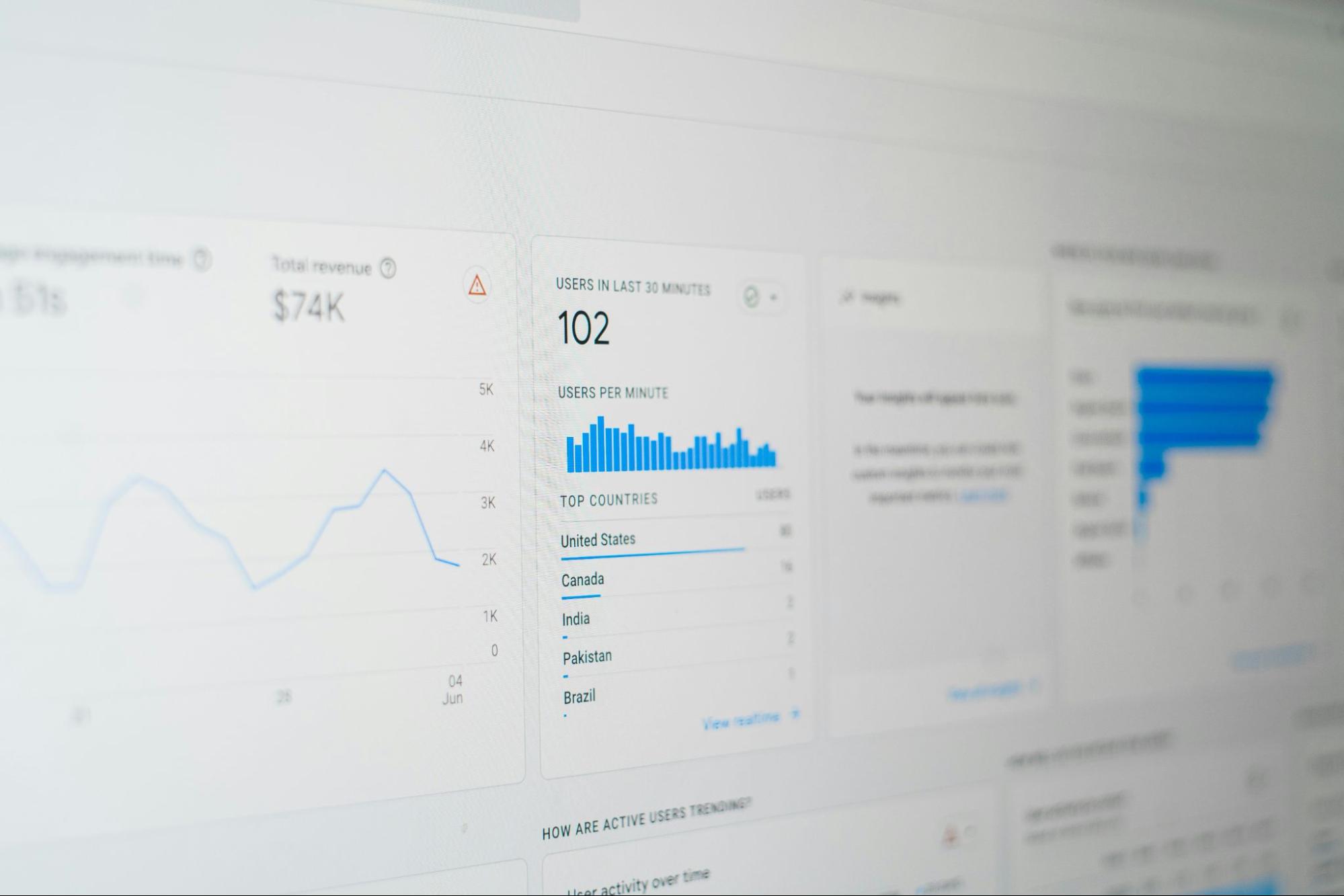
Why social media analytics is a game-changer
Social media lets companies chat directly with their audience and see what they’re up to. Analytics tools turn all that social media data into easy-to-understand insights.
By looking at platform stats, marketers can easily spot which messages and topics resonate with different audiences. This helps brands create better content, fine-tune their messaging, and invest in the most valuable channels, all while keeping a close eye on brand perception through continuous brand monitoring.
Most importantly, social media analytics helps you see if you’re getting a return on your investment. By tracking traffic, conversions, and engagement, companies can tie their marketing efforts to things like leads, sales, and customer loyalty.
How AI and Machine Learning Help with Social Media Analytics
Newer social media analytics gizmos are using artificial intelligence (AI) and machine learning (ML). This makes the analysis way faster, deeper, and more spot on.
AI analytics helps by:
- Processing data as it happens, so brands can jump on new trends or feelings fast
- Making guesses on how well things will do, like predicting audience interest, campaign success, or audience growth based on past info
- Automating reports, cutting down on work, and keeping performance tracking consistent
- Machine learning can also get better at figuring out how people feel, grouping topics, and finding weird stuff, which helps marketers see patterns they might miss if they did it themselves.
Use cases of social media analytics
Social media analytics platforms support lots of marketing and business tasks. They keep tabs on different data and what users do across networks.
Figuring Out if Social Media Marketing Pays Off
Knowing if you’re getting your money’s worth is a big deal with social media analytics. Things can look good with likes and shares, but return on investment is about real business results.
To get a good handle on social media return on investment, marketers need to:
- Set clear goals for campaigns
- Decide which key numbers matter, like how many sales you get or how much each click costs
- Watch how you’re doing against those numbers over time
Looking at these trends helps marketers see where they can do better to get the best results and return on investment.
Research from Hootsuite says that a huge number of groups that watch social media data with analytics tools can show that they’re getting a return on investment. That makes it clear how crucial it is to have solid ways of measuring things.
Groups often add tracking to social media links using Google Analytics tools. This way, website visits and sales can be linked right back to social media efforts. This data can also help with retargeting ads to users who were interested but didn’t buy anything.
New analytics platforms are starting to track more than clicks. They’re looking at things like how much a customer is worth over their lifetime, how interested they stay for the long haul, and how strong the brand is.
Making Better Choices
Social media analytics shows what’s working and what needs improvement across content, timing, platforms, and audiences. Beyond analytics, it supports broader strategic decisions.
Beyond just marketing, analytics can help with bigger business decisions. Social listening tools check out conversations on sites like LinkedIn and Facebook. The tools do this to learn about what customers want, what competitors are up to, and what’s becoming popular.
Info about people who are using the app helps split these users up more precisely. This helps brands make better ads, build awareness, and make offers meet what people want.
A big plus with today’s social media analytics is that you can watch what’s happening as it happens. Brands can quickly switch up their copy, deal with reputation issues, or jump on trending subjects.
Keeping Tabs on How the Teams Do
It also measures how good teams are. By looking at things like how fast they reply, how often they reply, and what customers think, groups can tell how good their teams are at handling social media stuff.
This info can point out where things could be smoother or automated. Showing better productivity and efficiency can help get budgets approved and support buying new tools that boost sales.
Making Customers Happier
Experiences are being shaped by social media a lot more these days. Analytics tools that track how involved people are and what they think let brands see how people feel about what they’re reading and responding to.
Watching things in real time lets groups fix issues fast, take care of complaints, and have real conversations. This not only makes people happier but also makes them want to stick with the brand.
Types of social media analytics
Social media analytics encompasses several distinct but interconnected categories of data analysis:
- Performance tracking: Measuring engagement rates, reach, impressions, and clicks for organic and paid content
- Competitive analysis: Comparing performance metrics against direct competitors within the same industry
- Social listening: Monitoring mentions, hashtags, and conversations related to a brand, product, or topic
- Sentiment analysis: Assessing the emotional tone behind social conversations to understand audience perception
- Industry benchmarking: Evaluating performance against industry-wide standards rather than individual competitors
Together, these analytics types provide a comprehensive view of social media effectiveness and market position. There are many tools which provides all these analyses on a single platform. To know about them, you must read this tool review guide by Sprinklr: Best social media analytics tools.
What you can measure with a social media analytics tool
Social media analytics platforms now assist with detailed measurement across all social networks. This makes them super important for businesses handling complicated social media plans.
Checking How Well Stuff Does Organically
Apps such as Sotrender give you a great look at how your unpaid social media content is doing. It starts with overviews of your profiles and then goes into detail about how people are engaging with your posts.
The main metrics:
- How many followers you have and how fast you’re gaining them.
- How many people are you’re reaching with unpaid, viral, and ads, and when your posts do best.
- How people are engaging with your stuff.
- Info on what content people are viewing, like clicks, photo views, and video plays.
What people are saying and which posts are doing best, along with review analysis to see how people feel.
Getting to Know Your Audience
Looking at your audience is an important part of using social media to plan. It helps you make better choices about your social plans and even wider product decisions.
Usual audience metrics:
- Who your fans are and how many you’re reaching, broken down.
- Where they are located.
- What days and times they’re most active.
By knowing who your audience is and when they’re online, you can create content that is more in line.
Checking Reach and Engagement
Reach and engagement numbers show how well your social media and content are doing. Analytics let you keep tabs on:
- How far is your content going
- What people are doing and saying
These numbers help you figure out how visible you are, what people are interested in, and how good your conversations are.
Making Your Content Plans Better
One of the best things about social media analytics is that it helps you make better content. By looking at how each post does, you can figure out:
- What content does well at certain times
- Which content types work
- How people act with different content
This helps you keep improving and telling better tales.
Checking Paid Social Media Performance
Social media analytics gets even better when used in ads. Paid tools keep track of ad numbers to see if your ad investments are really helping.
Platforms such as Sotrender Ads let you:
- Track key numbers
- Compare ads and campaigns to find winners
- Look at campaigns as they go to make budget plans
- Create reports that summarize ad spending, ready to go.
Measuring Reach in Paid Campaigns
Reach is still the main metric. These tools let you see if your ads are really working.
Tracking Conversions and ROI
Numbers show if an ad is working. By matching conversions—such as form fill-outs and buys—with ad costs, you can understand return on investment (ROI).
Measuring Traffic and Engagement
Traffic analysis shows if the content is working. Analytics check link clicks with costs. This reveals profitability and content effectiveness. Numbers show which ads and content formats hit hard. These help guide choices later.
Conclusion
Social media analytics is super advanced now, mixing data skills with marketing and business smarts. Companies can use AI to look beyond basic numbers and find insights that grow profits, guide decisions, improve customer feelings, and boost their social media plans.
Because social media is increasingly vital, understanding analytics will stay crucial for companies wanting to stay ahead in today’s data-driven online scene.