
Nonprofits today sit at the intersection of rising community needs, increasing compliance requirements, and growing expectations from funders and donors. As a result, case management has become more complex than ever—not only in scale, but in the level of documentation, coordination, and data transparency required to deliver meaningful, measurable outcomes.
This complexity is forcing organizations to rethink their systems and processes. The days of spreadsheets, paper files, and siloed tools are quickly becoming incompatible with the realities nonprofits face.
In response, technology is evolving—not simply to digitize information, but to help frontline teams work more efficiently, make better decisions, and improve client outcomes.
Below, we explore the factors driving this shift, and how modern solutions—such as nonprofit case management software—are shaping the future of service delivery.
Why Nonprofit Case Management Is Growing More Complex
Several forces are converging to make case management more demanding than ever:
1. Client Needs Are Increasing in Volume and Complexity
As economic and social pressures evolve, nonprofits are seeing spikes in demand across sectors including social services, health services, child and family services, hospices, food banks, and community programs.
According to the National Council of Nonprofits, organizations across the U.S. are reporting unmet needs and staff shortages at unprecedented levels.
Caseworkers must now handle:
- More clients per person
- More diverse and interconnected needs
- More detailed documentation and follow-up requirements
This increases both administrative burden and the risk of missing critical steps.
2. Compliance & Reporting Requirements Are Intensifying
Grantmakers, government agencies, and private donors increasingly expect granular, outcome-based reporting. They want to see not only how many people were served, but how interventions improved lives.
Reports from organizations such as Grantmakers for Effective Organizations reinforce the sector’s push toward measurable impact and transparency.
For nonprofits still relying on spreadsheets or outdated tools, building these reports becomes a time-consuming and error-prone process.
3. Hybrid & Mobile Work Are Now the Norm
Casework no longer happens only at a desk. Meetings occur in homes, shelters, hospitals, schools, and community spaces. Staff need:
- Secure access to client files on the go
- The ability to update notes in real time
- Tools to prevent duplication and missed follow-ups
This requires technology designed with mobility and security at its core.
4. The Sector Is Facing a Talent Shortage
Burnout in social services is at an all-time high. Research published by the American Public Health Association shows nearly half of human services workers report burnout symptoms.
Nonprofits cannot afford systems that increase workloads. Technology must actively reduce friction, automate tasks, and support staff well-being.
Technology Must Evolve—And It Is
To keep pace with these challenges, nonprofit technology has shifted from simple databases to integrated, intelligent case management ecosystems. The trend is clear: technology must not only store data, but enhance service delivery.
Below are key areas where innovation is taking place, with examples of features found in platforms like Sumac—a customizable, nonprofit case management system designed to streamline operations and improve client care.
1. Smarter, More Seamless Client Intake
One of the biggest contributors to casework complexity is the administrative overload created by legacy intake processes.
Many nonprofits still rely on paper forms, spreadsheets, or manual data entry—systems that strain staff capacity at a time when caseloads are rising and needs are becoming more multifaceted. As a result, several challenges emerge:
- Delays in service delivery, especially for families in crisis
- Increased error rates, which affect reporting accuracy
- Duplicated work, adding pressure to already overstretched teams
- Lost or incomplete data, creating compliance and auditing gaps
To address these pain points, modern technology is moving toward digitized, streamlined intake experiences that reduce manual work while improving data reliability. Today’s nonprofit case management software often includes:
- Web-based intake forms clients can complete remotely or onsite
- Automated data capture that eliminates double entry
- Immediate syncing into a unified client record, reducing fragmentation
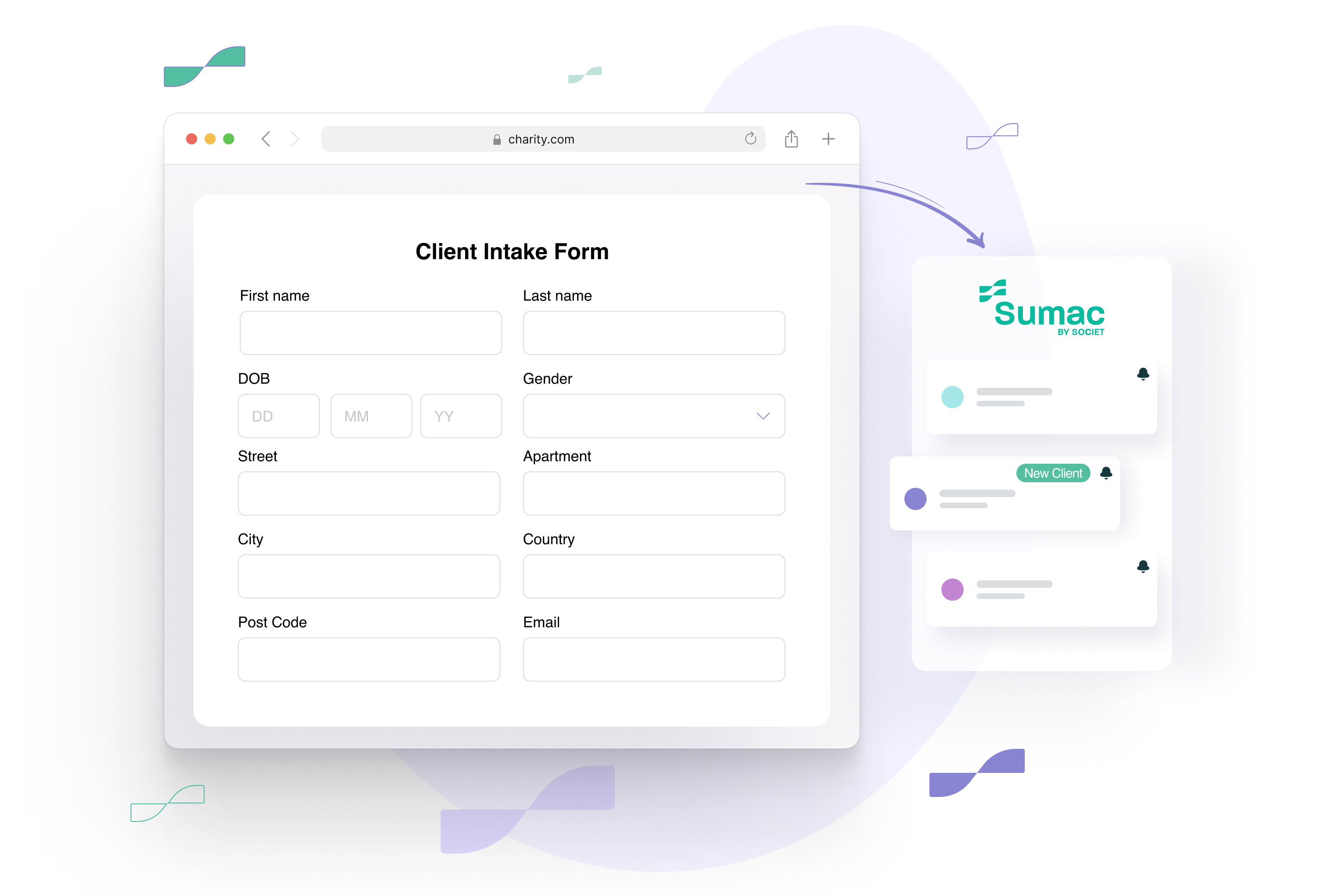
These tools eliminate the need for importing or duplicating client data, making the intake process simpler for families, caseworkers, and administrators alike.
By reducing administrative friction at the point of entry, nonprofits are better equipped to manage high caseloads, maintain cleaner data for reporting, and lessen burnout among frontline workers—all critical priorities in an increasingly complex service landscape
Instead of spending hours processing paperwork, staff can focus on welcoming clients, understanding their needs, and connecting them to services faster.
2. Workflow Automation to Reduce Administrative Burden
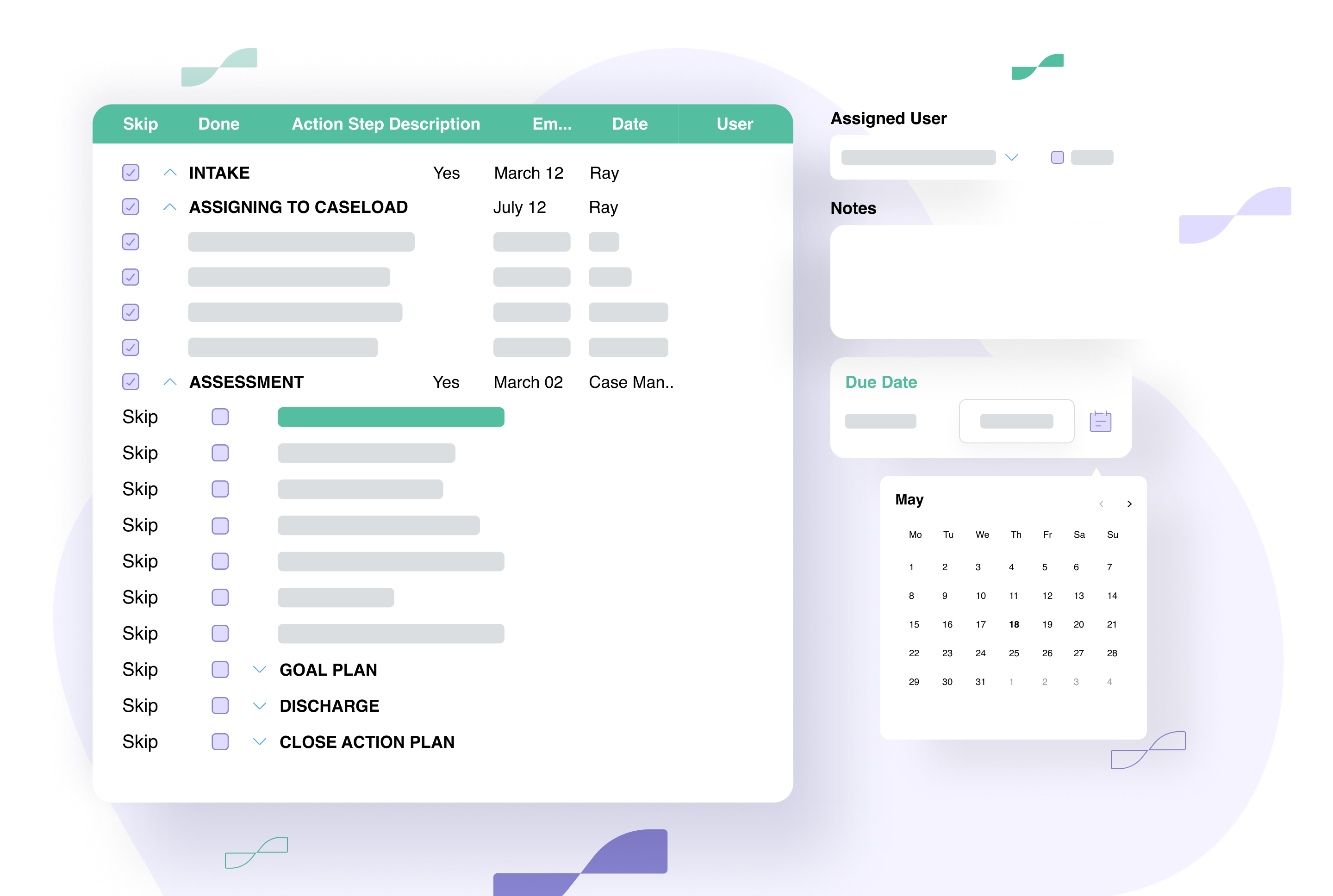
Caseworkers frequently manage dozens of tasks simultaneously: assessments, check-ins, referrals, documentation, and follow-ups. Without structured workflows, it’s easy to overlook steps or lose momentum.
To counter this, technology is moving toward automated, program-specific workflows that ensure:
- No required steps are missed
- Follow-ups are triggered automatically
- Case progress is visible at a glance
Many platforms, including Sumac, now allow organizations to tailor workflows to their unique service models. This reduces cognitive load on staff, lessens burnout, and ensures clients receive consistent care—even when caseloads rise or teams are stretched thin.
3. Mobile Case Management for a Distributed Workforce
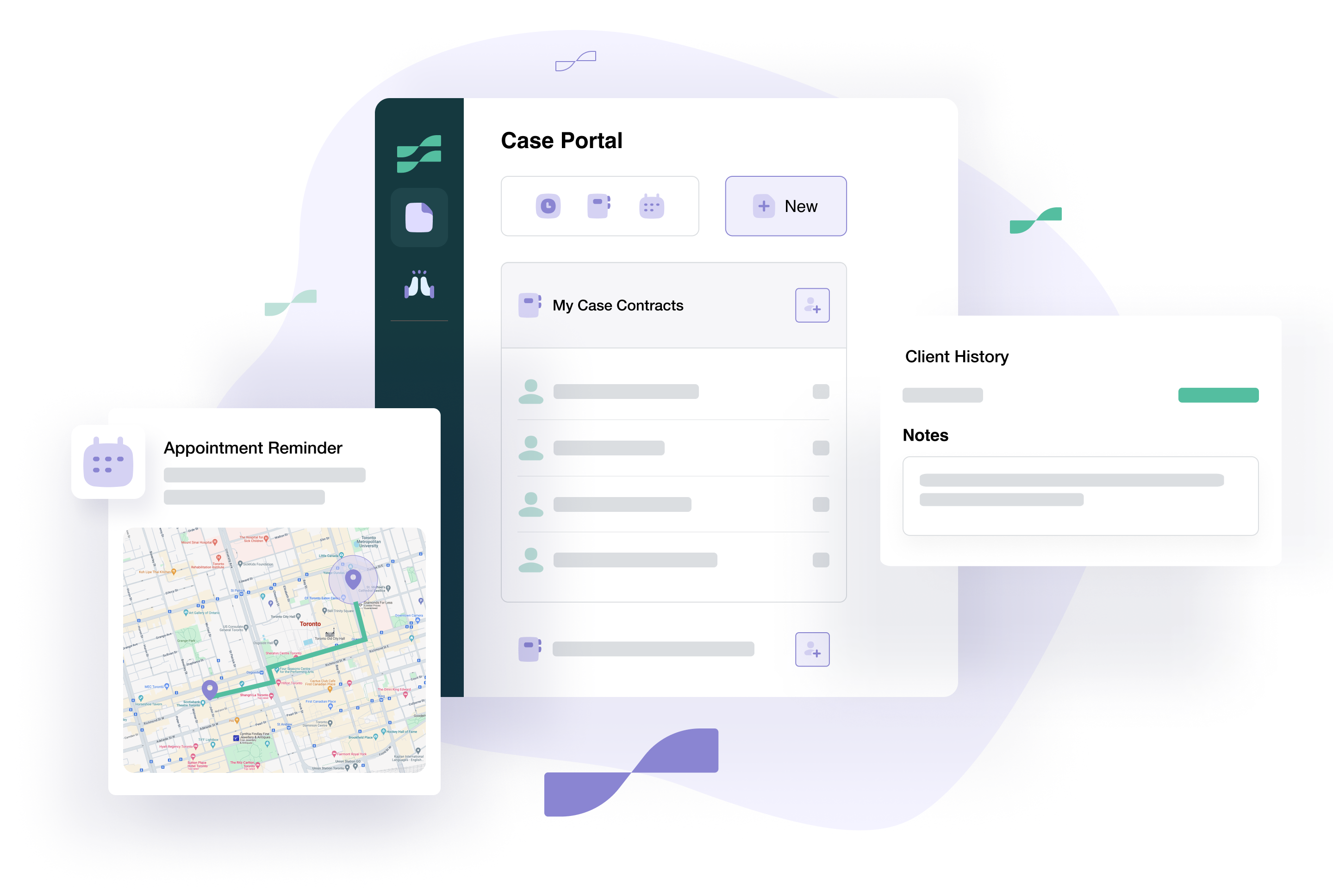
Hybrid work and community-based services have become standard in nonprofits, but traditional systems were never designed for mobility. This often forces staff to take handwritten notes in the field and enter them later—creating gaps, delays, and privacy risks.
To adapt, case management tools increasingly provide:
- Mobile-friendly case portals
- The ability to upload notes, files, and photos remotely
- Secure access from anywhere with role-based permissions
Some platforms even support features like note transcription from images—a meaningful time-saver for caseworkers who spend much of their day traveling or meeting clients offsite. These capabilities not only streamline work but also improve the accuracy and timeliness of client documentation.
4. Integrated Digital Forms, Assessments & E-Signatures
Compliance requirements continue to expand, and many nonprofits now manage dozens of assessments, waivers, releases, and consent forms for different programs. When these documents are handled manually, it becomes difficult to track versions, obtain signatures, or store files securely.
Technology is responding with tools that support:
- Custom digital forms aligned with program needs
- E-signatures that meet regulatory requirements
- Direct attachment to client records for easy retrieval
These advancements simplify compliance, reduce paper storage costs, and support a more structured, accurate data environment—benefiting both reporting and day-to-day casework.
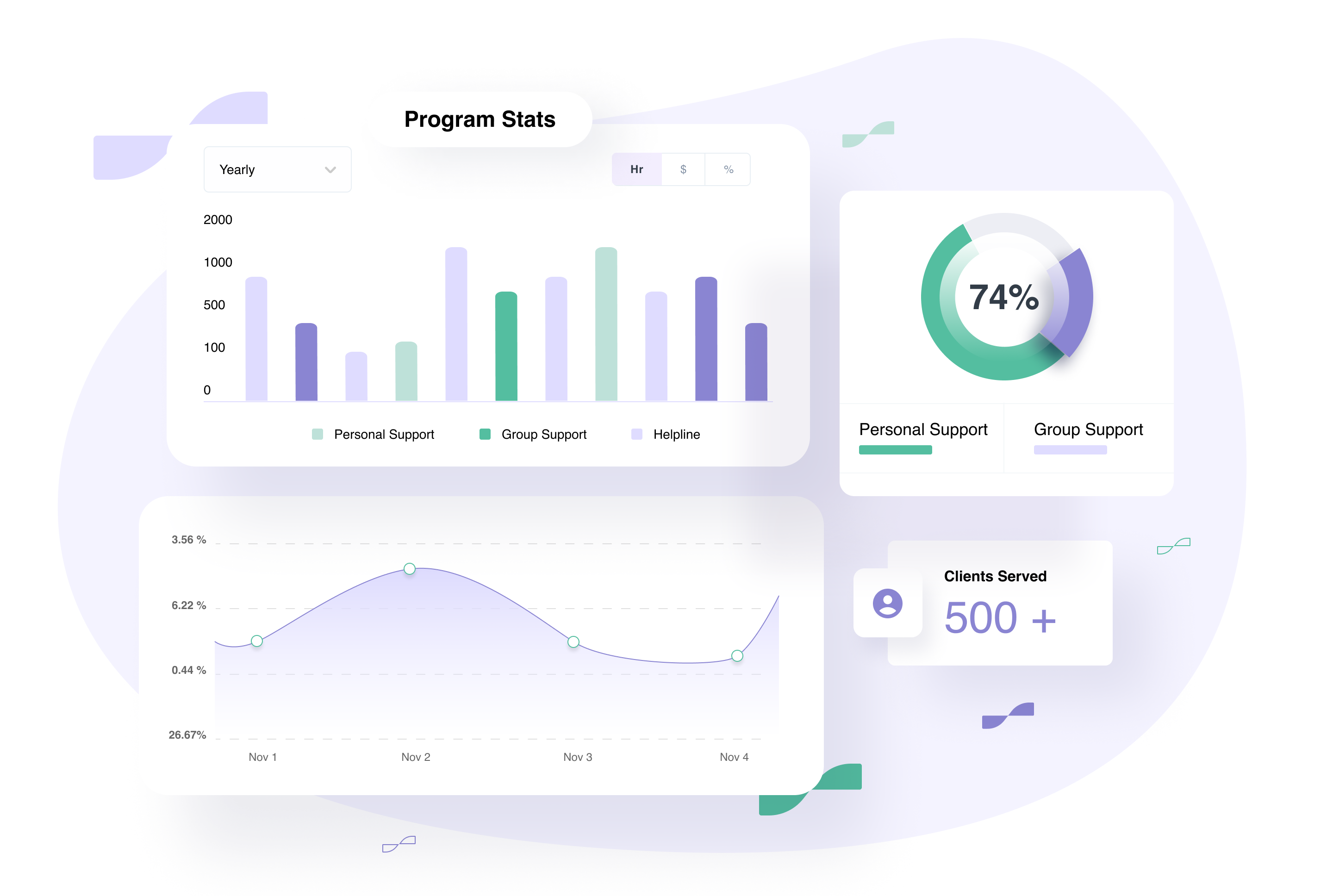
5. Robust Reporting for Data-Driven Decision-Making
As funders increasingly expect outcome-based metrics, nonprofits must turn raw data into actionable insights. But for organizations relying on spreadsheets or fragmented tools, compiling reports can take days—or weeks—and the results may still be incomplete.
Newer systems are built around real-time insights, offering:
- Customizable reports tailored to funder requirements
- Dashboards that visualize trends in service delivery
- Tools to track program outcomes and client progress
With clearer access to accurate data, leadership teams can make faster decisions, improve program design, and demonstrate impact with confidence.
6. A Stronger Focus on Security & Customization
As nonprofits collect more sensitive data—including health, housing, and family information—the stakes for privacy have never been higher. At the same time, each organization has unique workflows and data needs, making one-size-fits-all systems impractical.
The next generation of tools is therefore prioritizing:
- HIPAA/PIPEDA-level security measures
- Role-based access controls
- Customizable fields, workflows, and reports
- Optional custom extensions for specialized programs
By combining strong security with flexible configuration, nonprofit case management systems are becoming more adaptable to the real-world complexity organizations face. This empowers nonprofits to evolve their processes without rebuilding their tools from scratch.
Why Customization Matters More Than Ever
One of the biggest shifts in nonprofit technology is the move toward customizable systems. No two nonprofits operate the same way, and rigid tools often create more work—not less.
This is where technologies like Sumac stand out. Nonprofits can:
- Customize fields, workflows, and forms in minutes
- Build custom extensions for unique programs
- Adjust reports to meet evolving funder requirements
This adaptability helps nonprofits avoid costly workarounds or custom development projects. As the sector continues to evolve, flexibility has become essential.
What Nonprofits Should Look for in Case Management Technology
Given the complexity of modern service delivery, nonprofits should look for software tools that offer:
✔ Streamlined client intake
✔ Workflow automation
✔ Mobile access
✔ Customizable forms & e-signatures
✔ Comprehensive reporting
✔ Data security & compliance
✔ Seamless integration across departments
✔ Support from humans who understand nonprofits
Conclusion: Complexity Isn’t Going Away—But Technology Can Help
Nonprofit case management will continue to evolve as community needs shift, funding expectations rise, and workforce conditions fluctuate. But the right technology can transform this challenge into an opportunity—reducing workload, improving client experiences, and empowering organizations to measure and grow their impact.
The next generation of nonprofit case management software is flexible, data-driven, mobile-ready, and built specifically to support missions that matter.